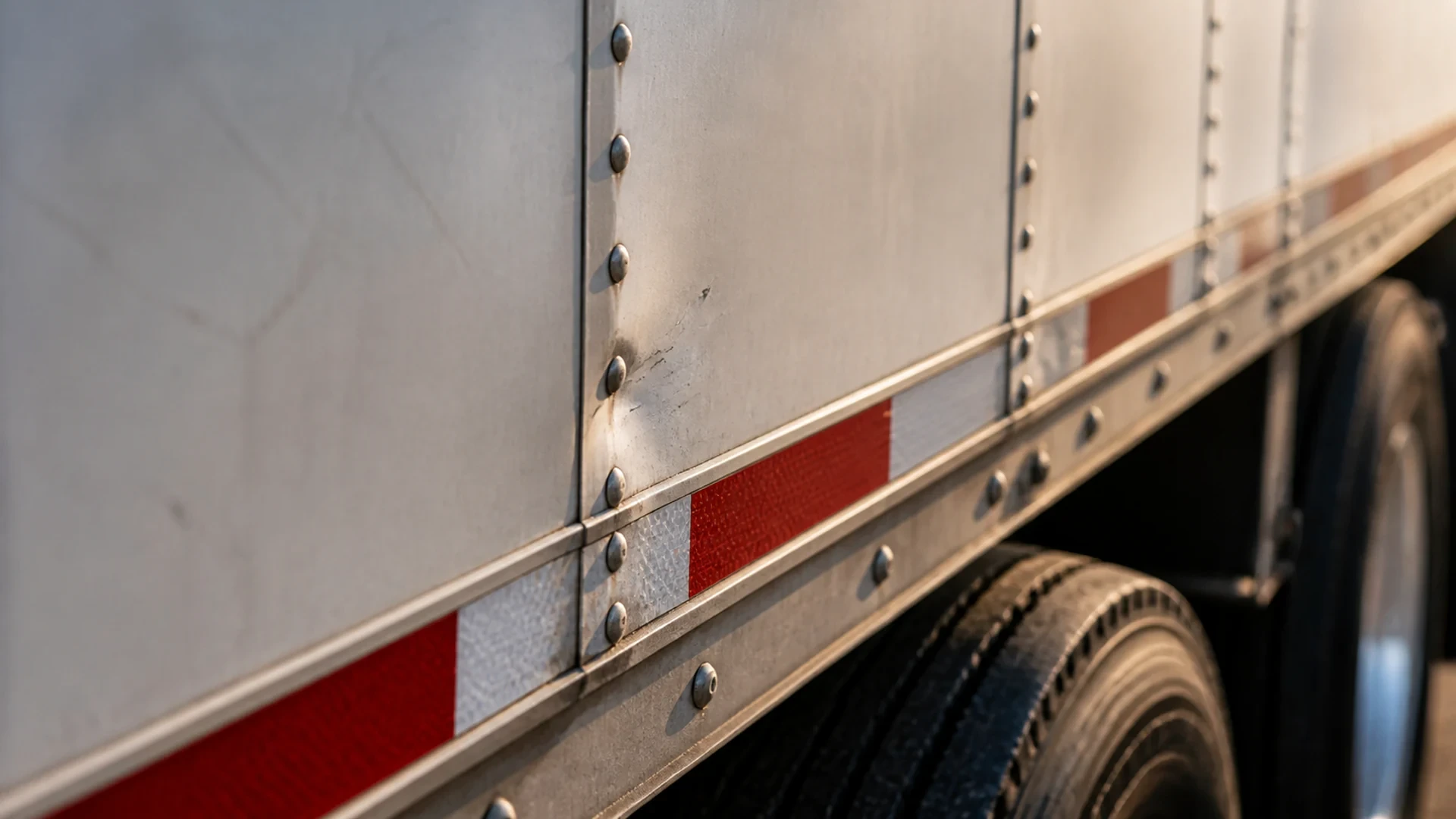
Semi trailer repair in Tampa: what to prepare before requesting service
When a semi trailer starts moving differently, develops a visible crack, leaks fluid, or no longer feels ready for the road, the first conversation with a repair shop matters. A clear service request does not replace an in-person inspection, but it can make the next step easier to understand.
If you are searching for semi trailer repair in Tampa, prepare the basic facts about the unit, describe what changed, and collect safe, useful photographs. Avoid guessing which part has failed. The goal is to give the shop a reliable starting point.
1. Start with the unit information
Before calling or sending a message, gather the information that identifies the trailer and its operating context. This can include:
Unit number or fleet identification.
Make and model, when available.
Trailer type and any relevant equipment, such as a Walking Floor system.
Current location in or around Tampa.
Whether the trailer is loaded, empty, parked, or still being used.
Whether the issue affects the trailer, the truck, or both.
You may not have every detail. Send what you know and identify what is missing. A repair conversation is more useful when the shop can separate confirmed information from assumptions.
2. Describe the change instead of naming a part
Most operators notice a symptom before they know the cause. Describe the observation in plain language:
What changed?
When did it begin?
Does it happen every time or only under certain conditions?
Is the movement slower, uneven, hesitant, noisy, or interrupted?
Is there a visible leak, crack, separation, rubbing mark, or deformation?
Does the issue appear when the trailer is loaded, empty, moving, or stationary?
For example, “the floor moves more slowly on one side when the trailer is empty” is more useful as an initial observation than “the left cylinder is bad,” unless that component has already been confirmed by a qualified inspection.
This distinction is especially important for Walking Floor systems. Similar symptoms can involve different components or conditions. A symptom report should help the shop understand what happened without forcing an early diagnosis.
3. Build a short timeline
Write down the sequence while the details are still fresh. A simple timeline can include:
The last time the trailer operated normally.
The first unusual sound, movement, leak, or visible change.
Any load, route, weather, or operating condition that was different.
Any inspection, repair, part replacement, or adjustment made recently.
What happened the last time the trailer was used.
The timeline does not need to be long. A few precise observations are better than a general statement such as “it has been doing this for a while.” If more than one person operates the unit, compare notes before contacting the shop.
4. Take photographs from a safe distance
Photos can help show context, but one close-up rarely tells the whole story. If the area is safe to photograph, consider taking:
One wide image showing the unit and the general location of the problem.
One medium image showing the surrounding structure or components.
One closer image of the visible mark, crack, leak, wear, or deformation.
A second angle when it helps show depth, alignment, or the relationship to nearby parts.
Do not place yourself under an unsupported trailer or reach into a hazardous area to get a better image. Do not operate equipment only to recreate a symptom if doing so could put people, cargo, or the unit at risk.
Keep the original images when possible. Add the date, unit number, and location in your notes so they are not separated from the service request.
5. Explain what you need from the shop
Your next step may be an inspection, a repair request, maintenance, welding evaluation, or a question about a Walking Floor part. State the purpose of the contact clearly:
“I need to arrange an inspection for a trailer that is moving unevenly.”
“I want to ask about a crack and prepare for a welding evaluation.”
“I need help documenting a hydraulic leak before requesting Walking Floor service.”
“I want to discuss maintenance for a trailer that is still operating but showing a change.”
You do not need to choose the final repair before speaking with the shop. A clear request helps the team understand whether you are asking about a service visit, a possible repair, or general information.
6. Know when not to keep driving
If the trailer has damage that appears unsafe, a severe leak, a major change in handling, loose or separated components, or another condition that could create a road hazard, do not continue operating it just to collect more information. Move people away from unsafe areas and seek appropriate professional guidance.
No photograph or video is worth putting someone under an unsupported trailer or beside moving equipment. When in doubt, document only what can be observed safely and explain the concern to the repair shop.
A practical service-request checklist
Before requesting semi trailer repair in Tampa, have these items ready:
Unit number and basic trailer information.
Current location and operating status.
Loaded or empty status, if relevant.
Clear description of the change or symptom.
Approximate date and conditions when it began.
Recent repair or maintenance information.
Wide, medium, and close photographs taken safely.
The service question you want answered.
If some information is unavailable, say so. A complete record is helpful, but an honest description of what you observed is more valuable than a confident guess about the failed part.
Why preparation improves the first conversation
Truck and trailer repair often begins with incomplete information. The unit may be in use, the symptom may occur only under certain conditions, or different operators may describe the same change in different ways. A short record creates a common reference point for the next conversation.
Preparation also helps separate three different questions:
What did the operator observe?
What needs to be checked by the shop?
What repair or maintenance action should follow the inspection?
Keeping those questions separate supports a more accurate service discussion without promising a diagnosis from a photograph or a message.
Request semi trailer repair in Tampa
If your truck or trailer is showing a new symptom, visible damage, or a change in performance, contact Brothers Truck Trailer in Tampa with the information you have. Share the unit details, explain what changed, and include safe photographs when available.
The shop can help determine the appropriate next step for truck and trailer repair, Walking Floor service, maintenance, welding, or a parts question based on the information and inspection available.
Request trailer repair service in Tampa. Before you call, gather the unit information, describe what changed, and take safe wide photographs of the problem.
Technical reference for 3500 lbs trailer axles covering GAWR, tire ratings, brake rules, fitment specs, and inspection protocols for commercial fleets.
Learn how etracks in trailer systems work, installation best practices, and repair procedures to keep your cargo secure and compliant on the road.
Master trailer wheel bearings maintenance with expert steps for inspection, repacking, and replacement. Reduce downtime and prevent costly failures today.