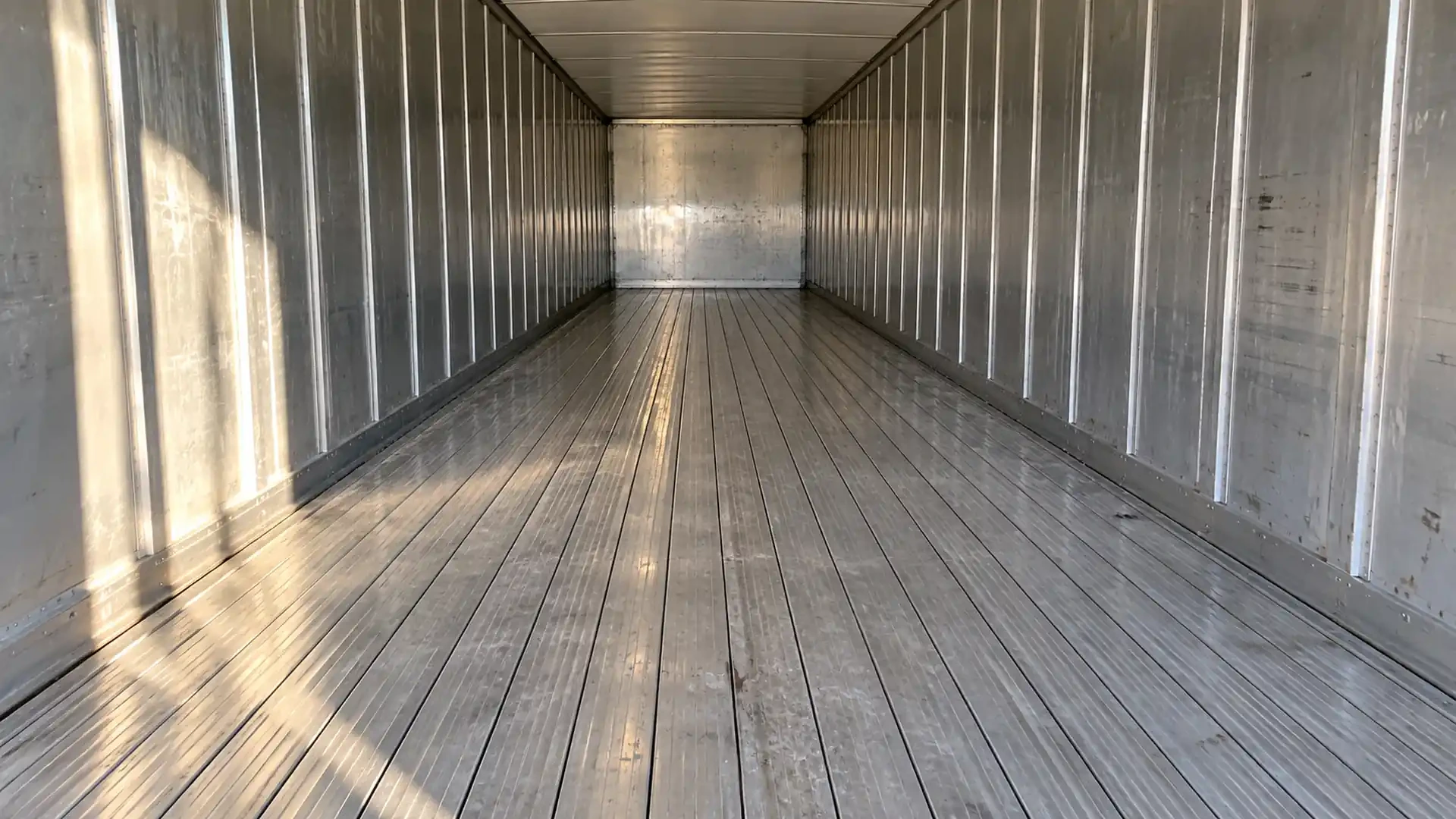
Walking Floor unloading records: how to compare changes across jobs
One unloading job may seem slower than usual, but a single observation rarely tells the whole story. The load, operating conditions and stage of the unload can differ from the last job. Looking at a short series of existing records can help a driver or maintenance contact explain what changed without guessing which component is responsible.
The goal is to prepare a useful service conversation. A comparison cannot confirm a hydraulic fault, a worn floor or a needed part. Inspection and appropriate testing determine the repair scope.
Compare like with like
Before calling a change a trend, check whether the jobs were reasonably comparable. Record the information already available from normal operations:
Trailer or fleet unit number.
Date, location and approximate time of each unloading job.
Material or general load type, when known.
Whether the trailer was full, partly loaded or nearly empty when the change appeared.
The stage of unloading in which movement looked different.
What the operator saw or heard from an approved position.
Any visible residue, floor condition or fluid mark that could be recorded safely.
Recent service or adjustment that belongs in the unit history.
An incomplete record is still useful if missing fields are marked as unknown. Do not fill them with estimates that could later be mistaken for measured facts.
Describe the change precisely
“Unloading was slow” does not show whether the change began immediately, appeared near the end or occurred only during one job. A more useful note connects the observation to a point in the sequence:
> “On the last two recorded unloads, floor movement appeared slower during the final portion than in the earlier jobs. Material and loading conditions differed, so the records need shop review.”
That wording preserves the observation and its limits. It does not turn a comparison into a diagnosis.
If the movement stopped and restarted, keep the event sequence. If the concern is primarily visible wear, keep photographs of the same floor area over time. Those records answer different questions and should not be collapsed into one vague description.
Build a small comparison table
The record does not need specialized software. A maintenance log, spreadsheet or approved internal form can hold a simple table:
| Job | Operating context | Point when change appeared | Observable change | Current status |
|---|---|---|---|---|
| Earlier job | Known load and normal route | No change recorded | Normal movement as observed | Completed |
| Later job | Load and site noted | Near the end | Movement appeared slower | Completed under normal process |
| Most recent job | Different material; note this difference | Midway | Brief pause observed | Follow-up requested |
This is a format example, not a claim about a particular trailer. Use the unit's real entries and keep the original notes or media attached.
Keep photographs and videos in context
A close view may show a mark on a floor slat but not where it sits in the trailer. When safe and permitted, start with a wide view identifying the area, then add a closer view from a similar angle to an earlier photo. Label each file with the unit, date and job.
Record video only from a safe, approved position during normal operation. Do not enter the trailer, approach moving parts, reach beneath the floor or repeat an unloading cycle just to capture a symptom. Follow the operator's and site's procedures if there is a concern about continued use.
Decide what to send to the shop
Before requesting Walking Floor service, prepare a short summary:
Unit identification and contact person.
Last job without the observed change, if known.
Dates and conditions of the jobs showing the change.
The exact stage and behavior observed in each job.
Any recent service history and available documents.
Labeled photographs or videos captured safely.
Current location and operating status.
Brothers Truck Trailer provides Walking Floor diagnosis and repair from its Tampa workshop. Share the comparison with the shop so the next inspection can begin with a clear history. The records may help define questions for the visit; they cannot establish the failed part or guarantee a particular repair.
Compare the last few recorded unloads, mark what changed and contact Brothers Truck Trailer with the unit history to discuss the next service step.

Expert commercial trailer repair in Tampa for Walking Floor, aluminum welding, and fleet maintenance. Minimize downtime with Brothers Truck Trailer Repair.

Preventive maintenance for commercial trailers: inspection checklists, Walking Floor care, aluminum repairs, and fleet service in Tampa Bay.
Master walking floor trailer hydraulic troubleshooting with expert diagnostics, safety protocols, and repair strategies to minimize fleet downtime.