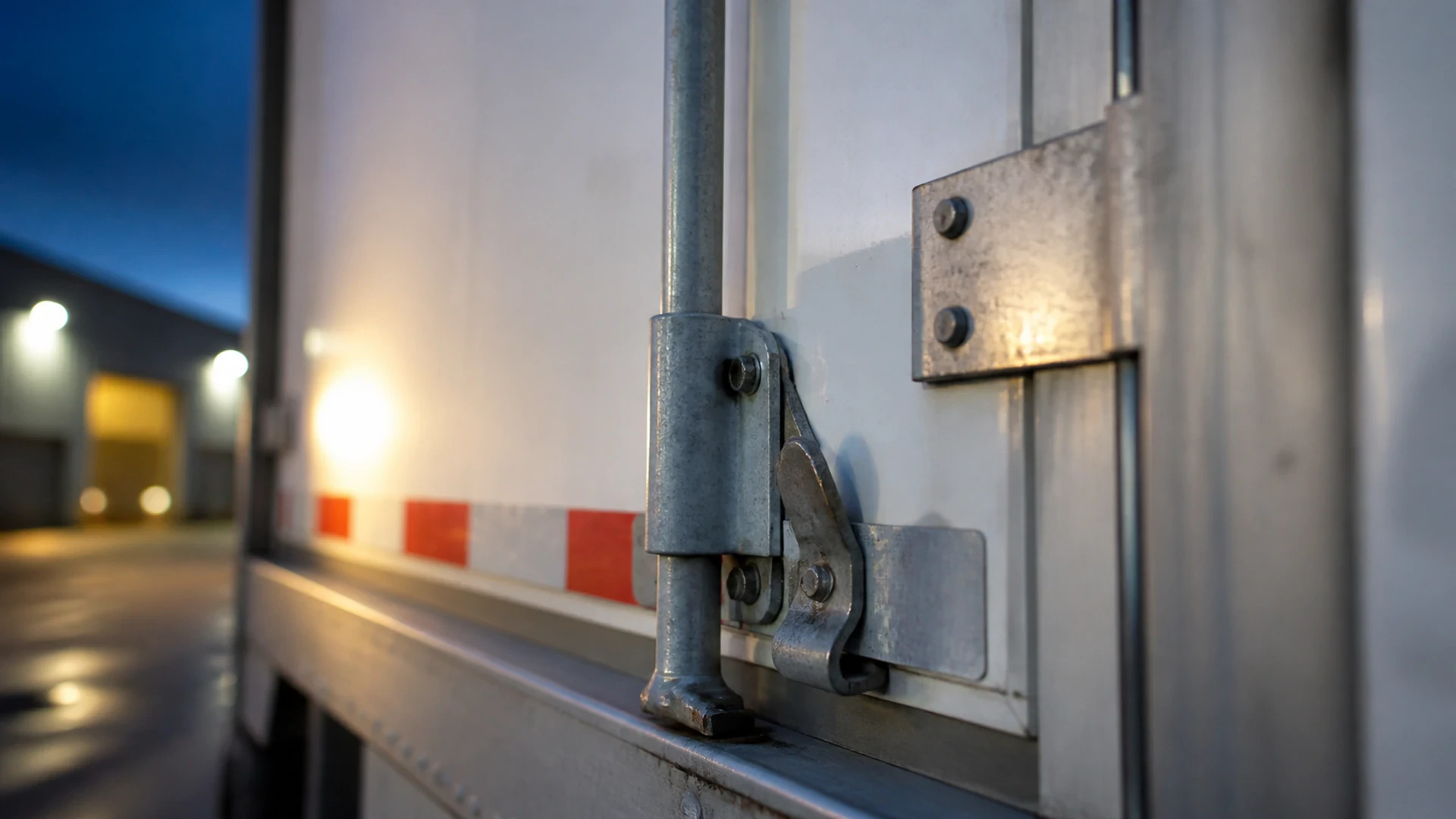
Truck and trailer repair in Tampa: how to describe a problem
“Something feels different” is often the first warning that a truck or trailer needs attention. The operator may notice a new sound, a slower response, uneven movement, a visible mark, or a change in how the unit sits. That first observation is important, but it can be difficult to explain when the unit needs service.
If you are looking for truck and trailer repair in Tampa, you do not need to diagnose the problem before contacting a shop. You do need to describe what changed as clearly as possible. A useful report gives the repair team a starting point and helps keep observations separate from assumptions.
Describe the observation, not the suspected part
Operators often use the name of a part to describe a symptom: “the cylinder is failing,” “the frame is bent,” or “the valve is bad.” Sometimes that may be correct, but the observation may also involve another component or a condition around it.
Try starting with what you saw, heard, or felt:
“The floor moves more slowly than before.”
“The trailer sits differently on one side.”
“A new crack is visible near an existing repair.”
“There is fluid on the ground, but the source is not clear.”
“The sound appears after the system has been operating for several minutes.”
This kind of description leaves room for the shop to evaluate the cause instead of beginning with a part that may not be responsible.
Use five questions to organize the report
A practical symptom report can be built around five questions.
1. What changed?
Describe the difference between normal operation and the current condition. Use observable words such as slower, uneven, louder, lower, higher, loose, cracked, leaking, rubbing, or intermittent.
2. When did it change?
Record the approximate date and the last time the unit operated normally. If the issue appeared after a repair, load, route, impact, or unusual operating condition, include that context without assuming it proves the cause.
3. Where is the change visible or audible?
Identify the side, area, component group, or general location. A wide photograph can help show the location in relation to the rest of the unit.
4. Under what conditions does it happen?
Note whether the trailer is loaded or empty, moving or stationary, cold or already in use, or operating on a particular type of surface. Some symptoms are intermittent, so the conditions matter.
5. What changed afterward?
Explain whether the problem affects speed, movement, sound, position, usability, or confidence in operating the unit. If the unit was taken out of service, state that clearly.
Write a short symptom statement
Once the five questions are answered, combine them into a short statement. For example:
> “The trailer operated normally earlier this week. It now moves more slowly on one side when empty, and the change appears after several minutes of use. No recent part replacement is known. Photos show the general area and a visible mark near the side structure.”
This is an illustrative format, not a diagnosis or a description of a specific customer case. Its purpose is to show how timing, conditions, location, and effect can be combined without naming a part prematurely.
Keep the statement factual. If something is uncertain, say that it is uncertain. Clear uncertainty is more useful than a precise but unsupported conclusion.
Add context with photographs
A photograph should answer a question. Use a sequence when it is safe:
1. Wide view: Where is the problem on the unit?
2. Medium view: What surrounds the problem?
3. Detail view: What is the visible crack, wear mark, leak, or deformation?
Take more than one angle when alignment, separation, or surrounding damage matters. Keep the original images and note the unit number and date.
Do not crawl under a trailer, touch a leaking substance, approach moving equipment, or create a new operating test to improve a photo. If the area is unsafe, describe what you can observe from a safe position and tell the shop about the safety concern.
Include recent repair and maintenance information
The shop should know about work that may be relevant to the conversation. Include, when available:
Recent repairs or part replacements.
Preventive maintenance performed on the unit.
A previous symptom that appeared before the current one.
Whether the issue was reported by more than one operator.
Any change in load, use, or operating conditions.
Do not leave out a recent repair because you are unsure whether it matters. Let the shop decide how much weight to give it during evaluation.
Explain what you want to happen next
People contact a repair shop for different reasons. You may want to:
Ask whether the unit should be brought in for inspection.
Request truck or trailer repair in Tampa.
Discuss a Walking Floor symptom.
Prepare for an aluminum welding evaluation.
Arrange preventive maintenance.
Ask about a possible part or component.
State the question directly. “I need help deciding the next step for a trailer that is moving unevenly” is a complete service request even when the cause is not known.
Avoid these common reporting problems
Reporting only the conclusion
“The valve failed” does not explain what happened, when it happened, or whether the conclusion has been confirmed. Include the symptom that led to the conclusion.
Sending only one close-up
A detail photo may show a mark but not its location or surrounding condition. Add context when it can be collected safely.
Using vague timing
“It has been happening for a while” makes comparison difficult. Give an approximate date, route, load condition, or operating sequence when possible.
Continuing to test an unsafe unit
Do not keep operating a unit to make a symptom easier to describe if the condition may be unsafe. Safety information belongs in the first message to the shop.
Treating a message as a final diagnosis
A service request starts the conversation. The appropriate repair or maintenance action depends on the information available and the inspection required.
A five-minute report before contacting a repair shop
Use this short sequence before you call:
Identify the unit.
Write one sentence describing what changed.
Add when and under what conditions it happens.
Note recent work or maintenance.
Attach safe wide, medium, and detail photographs.
State the question you want the shop to answer.
If you can only provide two items, start with the unit identity and the clearest description of the symptom. Add the rest when available.
Contact a truck and trailer repair shop in Tampa
Clear information helps make the first service conversation more practical, but it does not replace an appropriate inspection. If your truck or trailer has a new symptom, visible damage, or a maintenance need, contact Brothers Truck Trailer in Tampa and explain what you observed.
The shop provides truck and trailer repair, Walking Floor service, aluminum welding, maintenance, custom fabrication, and parts-related support. Share the unit details and the next-step question you need help with.
Need truck and trailer repair in Tampa? Contact Brothers Truck Trailer with the unit information, the symptom you observed, and the safest photographs you can provide.

Expert commercial trailer repair in Tampa for Walking Floor, aluminum welding, and fleet maintenance. Minimize downtime with Brothers Truck Trailer Repair.

Preventive maintenance for commercial trailers: inspection checklists, Walking Floor care, aluminum repairs, and fleet service in Tampa Bay.
Master walking floor trailer hydraulic troubleshooting with expert diagnostics, safety protocols, and repair strategies to minimize fleet downtime.